
Understanding Security Guard Services in London
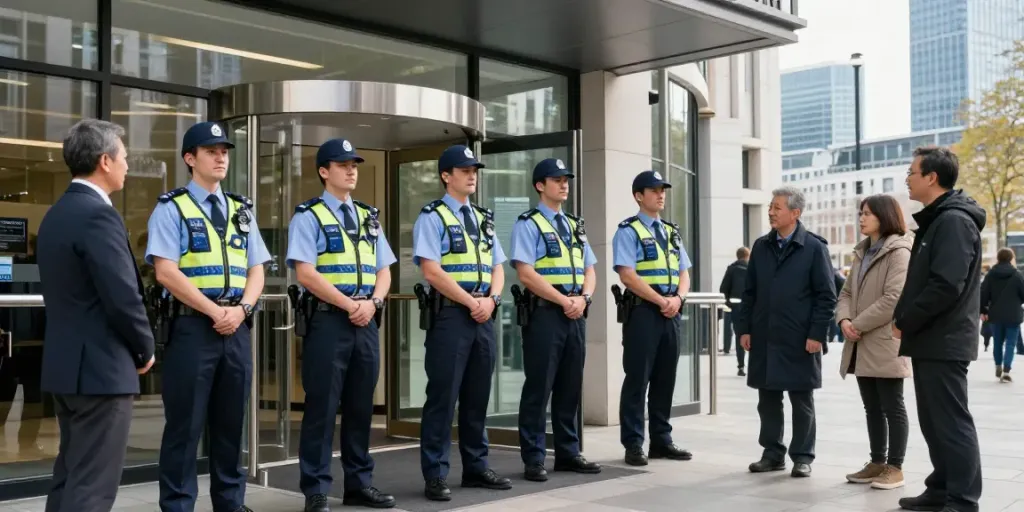
In the bustling metropolitan area of London, ensuring safety and security is crucial for both businesses and individuals. Security guard services play an essential role in providing protection against potential threats and ensuring peace of mind. Engaging a professional Security Guard service can significantly reduce risks and enhance safety in various environments, from residential areas to corporate settings. This guide will help you navigate the landscape of security guard services, detailing the types of services offered, what to expect from professionals in the field, and the numerous benefits of hiring local providers.
Types of Security Guard Services Offered
Security guard services in London encompass a variety of roles and responsibilities tailored to meet the unique needs of different sectors. The primary types include:
- Manned Guarding: Provides physical presence to deter crime and assure safety at business premises, events, or residential areas.
- Mobile Patrols: Guards conduct regular patrols of designated areas to monitor for signs of intrusions or disturbances.
- Event Security: Trained personnel manage crowd control, ensure safety, and maintain order during events such as concerts, festivals, and corporate functions.
- Close Protection Services: Customized security solutions designed for high-profile individuals, offering discreet and personalized protection.
- Retail Security: Protects stores from theft and vandalism while ensuring a secure shopping experience for customers.
- Construction Site Security: Focuses on safeguarding tools, materials, and personnel, preventing unauthorized access and theft.
What to Expect from Professional Security Guards
When you hire professional security guards, you can expect a variety of services based on industry best practices. Trained security personnel are well-versed in conflict resolution, emergency protocols, and customer service, ensuring that all interactions are professional and respectful. Key expectations include:
- Trained and Licensed Personnel: All security guards should be SIA (Security Industry Authority) licensed, ensuring they meet the required standards for training and conduct.
- Visible Presence: A highly visible security guard presence can deter potential threats and create a safer environment for everyone.
- Communication Skills: Competent security professionals are trained to effectively communicate with customers and clients, ensuring clarity during incidents.
- Emergency Preparedness: Professional guards are equipped to respond swiftly to emergencies, employing protocols that safeguard lives and property.
Benefits of Hiring a Local Security Provider
Hiring a local security service offers numerous advantages that extend beyond mere protection. Some of the key benefits include:
- Familiarity with the Area: Local providers understand the specific security challenges and needs of your community.
- Rapid Response Times: Proximity allows for quicker on-site response times during incidents.
- Community Engagement: Local security companies often engage with the community, fostering safer neighborhoods and building relationships with residents and local businesses.
- Personalized Services: Local firms are usually more flexible in tailoring their services to meet individual client needs.
Choosing the Right Security Guard Provider
Finding the right security service provider can significantly impact the effectiveness of your security measures. Here are essential factors to consider when hiring a security guard:
Essential Factors to Consider When Hiring
When evaluating potential security providers, consider the following:
- Reputation: Research the company's reputation, looking for reviews and testimonials from previous clients.
- Accreditations: Verify that the company holds necessary certifications and memberships, such as SIA licensing, which indicates compliance with industry standards.
- Experience: Choose a company with proven experience in handling specific security challenges relevant to your needs.
- Range of Services: Ensure the provider offers a comprehensive suite of security services that match your requirements.
Customer Reviews and Testimonials
Customer feedback provides invaluable insights into the reliability and effectiveness of security services. Look for evidence of consistent performance and customer satisfaction in the following ways:
- Online Reviews: Check platforms like Google, Yelp, and social media for genuine customer experiences.
- Case Studies: Request case studies or examples of past work that showcase the company’s capabilities.
- Word of Mouth: Ask local businesses or community members about their experiences with specific providers.
Common Questions on Selecting a Security Guard
When determining the right security firm for your needs, it's essential to ask the right questions, including:
- What types of security services do you specialize in?
- Are your guards fully licensed and trained?
- Can you provide references from similar clients or industries?
- What is your approach to incident reporting and communication?
Costs and Pricing Guide for Security Guards
Understanding the cost structure for hiring security guards is vital for budgeting effectively. Here’s a comprehensive overview of pricing models commonly found in the industry.
Average Pricing Models for Security Services
The cost of hiring security can vary significantly depending on various factors such as the location, type of service, and duration of deployment. Generally, you can expect to pay:
- Hourly Rate: Basic security services typically range from £12 to £20 per hour, with specialized services commanding higher fees.
- Flat Rates: Some service providers may offer flat rates for event security or long-term contracts.
- Package Deals: Consider package deals that combine multiple services for a more competitive rate.
Transparent Cost Breakdown: What’s Included?
When requesting quotes, ensure that the provider offers a clear breakdown of costs. Important components to verify include:
- Personnel Costs: Wages for guards, including overtime or holiday rates.
- Equipment Fees: Any additional charges for equipment such as uniforms, technology, or surveillance tools.
- Administrative Costs: Fees associated with planning, coordination, or management of services.
When to Expect Premium Charges in Security Services
While basic services might fall within a standard pricing range, certain conditions can trigger increased costs, such as:
- Short Notice Booking: Engaging services with little notice may result in premium charges.
- High-Risk Events: Events with larger crowds or increased security threats may necessitate additional staffing or resources, thus raising costs.
- Specialized Training: If specific training is required for guards, this may also lead to higher fees.
Licensing and Certification for Security Guards
Understanding the Importance of SIA Licensing
In the United Kingdom, the Security Industry Authority (SIA) regulates the private security industry, ensuring that individuals working in various security roles are properly licensed. Here’s why this is significant:
- Compliance: SIA licensing ensures that guards receive appropriate training and are vetted for suitability to work in security-related roles.
- Safety Standards: Licensing helps maintain high standards in the industry, ensuring that companies provide adequately trained personnel.
- Legal Requirement: It is illegal for individuals to work in designated security roles without an SIA license, making it essential for compliance.
Certifications You Should Look for in Security Companies
In addition to SIA licensing, look for security service providers that have received relevant certifications, such as:
- NSI Gold Approval: Indicates compliance with recognized best practices in security.
- ISO Certifications: Demonstrates adherence to international standards for quality management.
- Other Industry Accreditations: Membership in professional security organizations enhances credibility.
Local Regulations Impacting Security Services in London
Security service providers must adhere to various local laws and regulations, which can include guidelines on:
- Data Protection: Compliance with GDPR regarding personal data handling.
- Health and Safety: Regulations ensuring that security personnel operate safely and effectively in their roles.
- Fire Safety: Standards requiring security services to have fire safety protocols in place.
Community Engagement and Social Responsibility
How Security Companies Contribute to Local Safety
Beyond merely providing security services, many reputable companies engage in community safety initiatives. Actions may include:
- Community Patrols: Some security providers may offer joint patrol efforts with local law enforcement.
- Crime Prevention Workshops: Companies may offer training sessions aimed at educating local business owners and residents about crime prevention tactics.
- Support Local Events: Engaging in sponsorships or partnerships with community events helps create a safer environment.
Building Trust Through Community Involvement
Trust is fostered through mutual respect and transparency. Security companies can build trust through:
- Open Communication: Regular community meetings to address safety concerns and updates.
- Feedback Mechanisms: Providing easy channels for locals to give feedback on security operations and community relations.
- Active Participation: Involvement in local issues and initiatives that enhance community safety.
Expectations for Ethical Practices from Local Providers
Local security providers should strive to maintain the highest ethical standards, which include:. Additionally, Security Guard provides further details.
- Integrity: Ensuring all interactions and contracts are handled transparently.
- Accountability: Taking responsibility for the actions of their personnel and business practices.
- Social Responsibility: Contributing positively to the community’s wellbeing and safety.