
Understanding Water Heater Systems
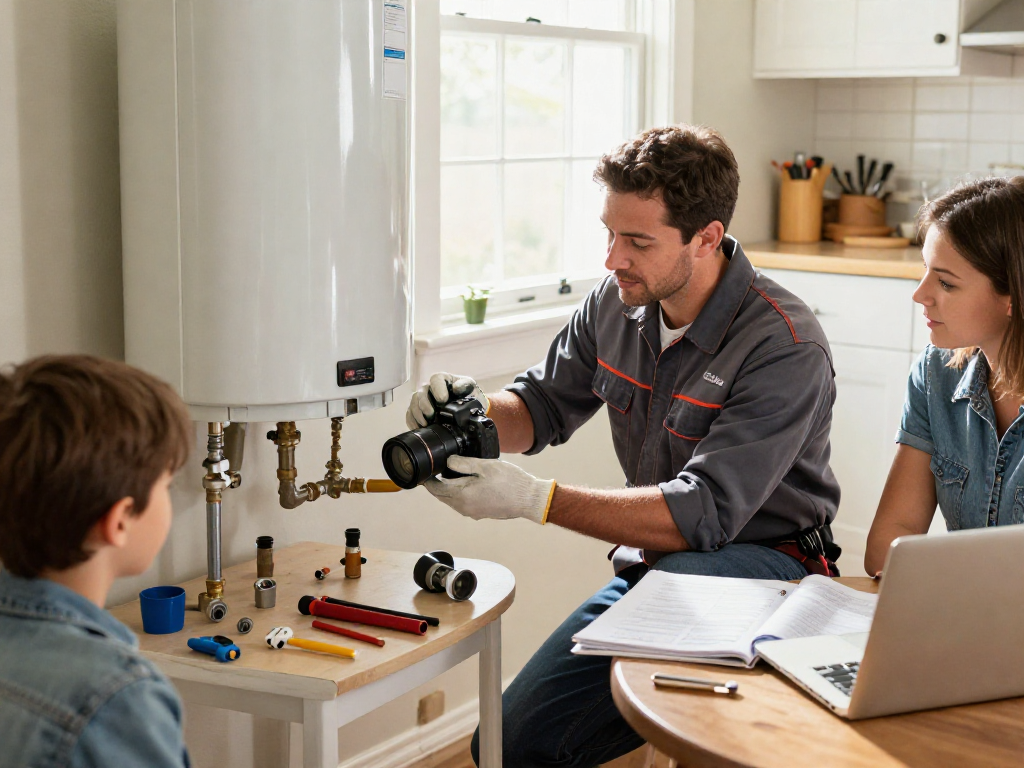
Water heaters are an essential component of modern homes, providing hot water for everything from bathing to washing dishes. Understanding the different types of water heaters available and their respective functionalities can help homeowners make informed decisions when it comes to purchasing or repairing these crucial systems. With advancements in technology, it's easier than ever to find water heaters that cater to specific needs, whether it's for energy efficiency, space-saving, or simply heating capabilities. When exploring options, water heater repair Fort Worth can offer valuable insights and professional assistance.
Types of Water Heaters: Gas, Electric, and Tankless
Water heaters can be categorized into three main types: gas, electric, and tankless systems. Gas water heaters are powered by natural gas or propane and are known for heating water quickly and efficiently. Electric models utilize electric resistance coils and are often easier to install but may have higher operational costs depending on your local energy prices. Tankless water heaters, on the other hand, provide hot water on demand and can be more energy-efficient since they don't hold a reservoir of hot water.
Benefits and Challenges of Each Type
- Gas Water Heaters: They heat water quickly and can be less expensive to operate than electric models. However, installation costs can be higher, and they require proper venting.
- Electric Water Heaters: Generally easier to install and maintain, these heaters are perfect for homes without access to gas lines. They may, however, lead to higher electricity bills.
- Tankless Water Heaters: They offer unlimited hot water and can be more energy-efficient, but the upfront costs are significantly higher, and they may not be suitable for large families with high demand.
How to Choose the Right Water Heater for Your Home
Choosing the right water heater requires consideration of several factors, including household size, water usage, energy source availability, and budget. For instance, families with higher hot water needs might benefit more from a tankless system or a larger tank model. On the other hand, homeowners looking for energy efficiency might consider the latest models that have enhanced insulation and energy-saving features. Consulting with a plumbing professional can provide tailored recommendations to ensure you select the best option for your home.
Common Issues with Water Heaters
Even the best water heaters can face issues over time, leading to decreased efficiency or complete failure. Recognizing the signs of a failing water heater can save homeowners from unexpected inconveniences and costly repairs. Regular maintenance and timely intervention can prolong the lifespan of these appliances.
Identifying Signs of a Failing Water Heater
Signs that your water heater may be failing include fluctuating water temperatures, discolored water, reduced water pressure, or unusual noises such as banging or popping coming from the unit. Homeowners should not ignore these warning signs, as they can lead to more significant issues, such as leaking or rupturing tanks.
Understanding Temperature Fluctuations and Noises
Temperature fluctuations can indicate sediment buildup in the tank, which can affect its performance. Noises can signal various problems, including scaling, which can be remedied through regular flushing of the tank. If these issues persist, it is advisable to consult a professional technician for a thorough inspection.
Resolving Leaks and Water Damage
Water leaks from the heater can lead to extensive water damage, making it essential to address them immediately. Common causes for leaks include worn-out valves, corrosion, or faulty connections. Homeowners should regularly inspect their water heaters and address leaks promptly to minimize damage risks.
The Importance of Professional Water Heater Repair
When your water heater shows signs of trouble, knowing when to call a professional can save time, money, and hassle. Professional technicians have the training and experience necessary to diagnose and resolve complex issues that an untrained individual might overlook.
When to Call a Plumber: Key Indicators
If you notice any persistent issues such as leaking, inconsistent water temperature, or the unit not functioning at all, it's time to contact a licensed plumber. DIY fixes can sometimes exacerbate the issue, leading to costly repairs.
Advantages of Hiring Certified Technicians
Hiring certified technicians ensures that the repair is completed to industry standards, typically with warranties on parts and labor. Professionals also have access to tools and diagnostic equipment that make identifying and fixing problems much more efficient.
Cost Considerations and Budget Planning
Water heater repair costs can vary significantly depending on the specific issue, the type of unit, and local labor rates. Homeowners should budget for regular maintenance and repairs to avoid hefty bills due to emergency fixes.
DIY vs. Professional Solutions
While some homeowners may feel confident in performing basic maintenance tasks, others may find that professional solutions are essential for more complex repairs. Understanding the difference can save time and prevent potential hazards.
Basic Maintenance Tasks Homeowners Can Perform
Homeowners can handle basic maintenance tasks such as checking the pressure relief valve, flushing the tank annually, and inspecting for leaks. These simple steps can prolong the life of the water heater and improve efficiency.
Advanced Repairs Best Left to the Experts
More complicated repairs, such as replacing heating elements, addressing major leaks, or installing new units, are best left to professionals. Attempting advanced repairs without proper knowledge can lead to further damage or safety hazards.
Evaluating the Risks of DIY Plumbing Work
DIY plumbing work can often result in more harm than good if not executed correctly. Risks include improper installation, voiding warranties, or even causing health hazards. It’s vital to assess your skills and the complexity of the repair before deciding to attempt it yourself.
Future Trends in Water Heater Technology
The water heater industry is evolving rapidly, with technological advancements leading to more efficient and effective solutions for homeowners. Staying informed about these trends can help homeowners make better purchasing decisions in the coming years.
Innovations in Energy Efficiency for 2026 and Beyond
Future water heaters are expected to incorporate even higher energy efficiency standards, with innovations such as better insulation, heat pump technology, and integrated solar solutions gaining popularity. These advancements not only reduce energy consumption but also lower utility bills.
The Role of Smart Technology in Water Heating Solutions
Smart technology is becoming increasingly prominent in water heating solutions, allowing homeowners to monitor and control their water heaters remotely. Features such as self-diagnostic capabilities and integration with home automation systems can greatly enhance convenience and efficiency.
Predictions for the Water Heater Market and Customer Expectations
As technology continues to advance, customers can expect more customization options and improved energy-saving features in water heaters. The trend towards eco-friendliness and sustainability will also shape the market in the coming years, with more products being designed with the environment in mind.
What are the signs that my water heater needs repair?
Common signs include leaking, inconsistent water temperature, unusual noises, and discolored water. If you notice these indicators, it's essential to assess the situation promptly.
How often should I have my water heater serviced?
Generally, it’s recommended to service your water heater at least once a year to ensure optimal performance and longevity.
What are the costs associated with water heater repair in Fort Worth?
Costs can vary widely, but homeowners can expect to pay anywhere from $100 to $1,500 depending on the nature of the repair and local labor costs.
Can I install a water heater myself?
While some homeowners may be able to install a water heater themselves, it’s often recommended to hire a professional to ensure safety and compliance with local codes.
What features should I look for in a new water heater?
When shopping for a new water heater, consider energy efficiency ratings, warranty terms, capacity, and whether the unit suits your home's energy sources.